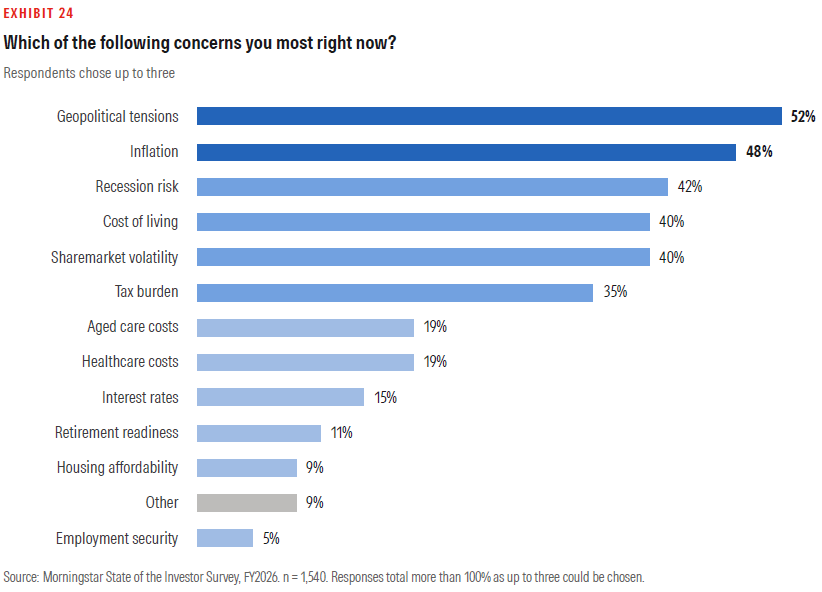
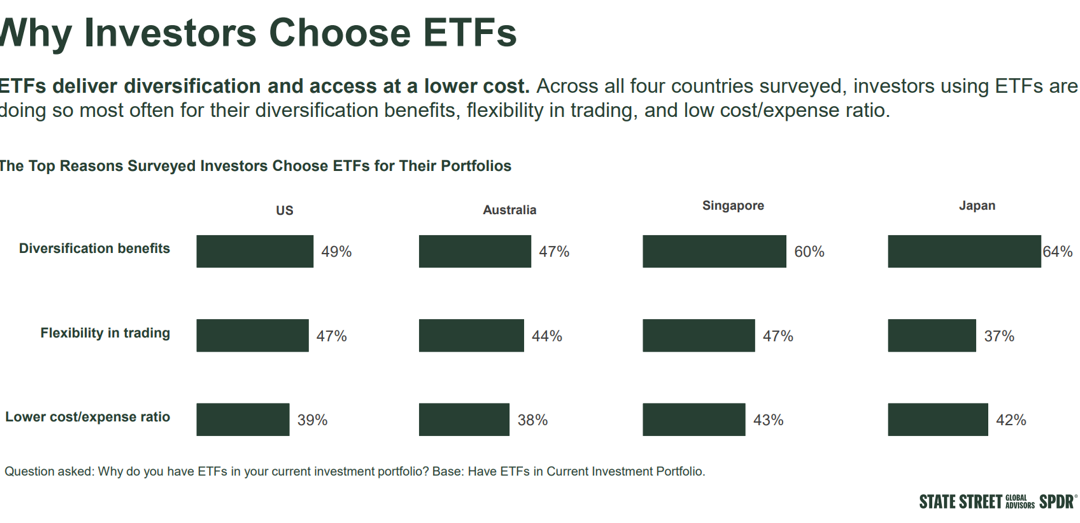
One of the challenges with investor surveys is separating what respondents say from what they actually do.
The State of the Australian Investor study attempts to test the gap between intention and reality by combining survey responses with portfolio and transaction data from almost 100,000 investors.
The stereotype of the typical retail investor can be ...
In September I wrote that testamentary trusts, the trusts created under a will after death, had survived the Government's new 30% minimum tax on discretionary trusts, but that the drafting battle had just begun. The exposure draft pointed one way and its Explanatory Memorandum pointed another. The question was whether the exemption turned on who ...
Stay committed to your decisions, but stay flexible in your approach.- Tony Robbins
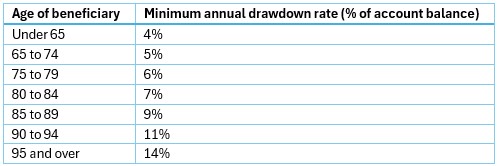
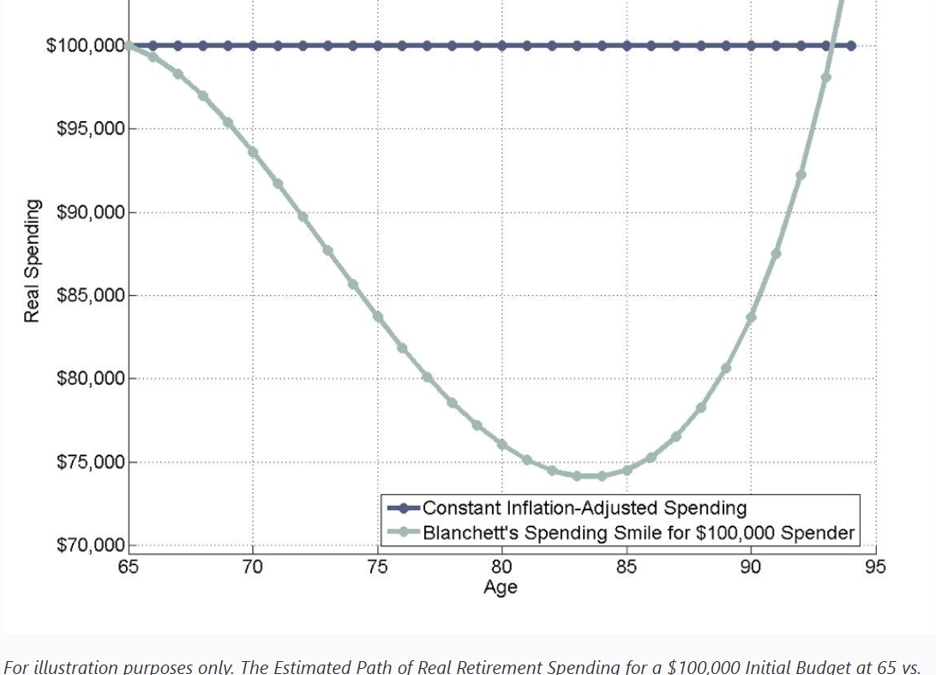
Last week I proposed a scorecard for retirement where readers could self-assess their retirement prospects using four criteria:
Understanding the maths of retirement
Knowing how much you will spend
Estimating how much you need to support annual spending
Defining an ...
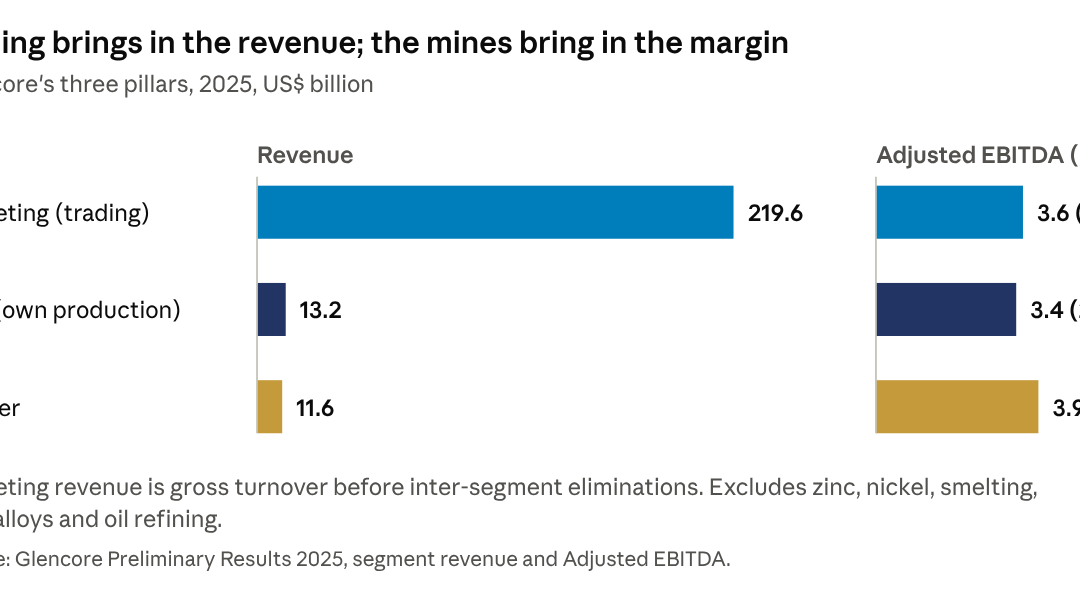
Glencore's arrival on the ASX gives Australian investors a new choice. Should they stick with BHP and Rio Tinto, or allocate some capital to Glencore (GLC)?
BHP and Rio offer franked dividends, stronger governance credentials and established places in Australian portfolios. Glencore is cheaper, has a trading arm and ambitious copper growth potential. ...
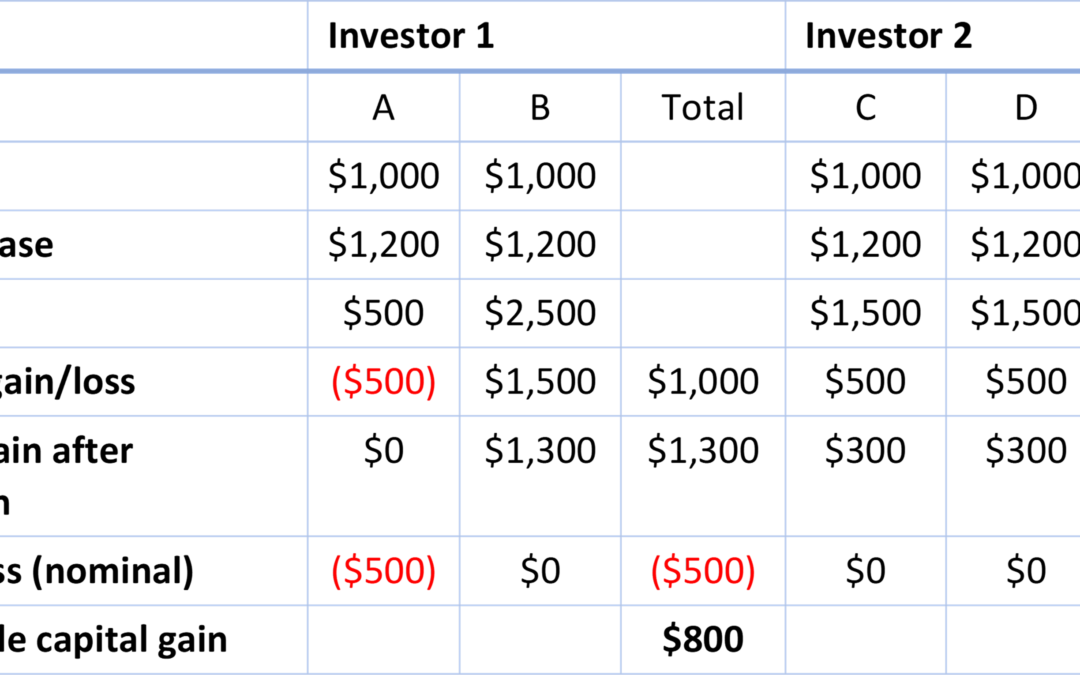
The new CGT regime announced in the May 2026 Federal budget now sees capital losses treated differently to capital gains in two important ways.
Gains are taxed, but losses cannot be deducted against other income. Instead, capital losses can only offset capital gains, otherwise they are quarantined to offset against future gains. This has always been a ...
“I’m from the government, and I’m here to help you.”
These are the most terrifying words in the English language, according to former US President Ronald Reagan. And you can see why as Australians grapple with changes to credit card surcharges. The incoming ban was supposed to save consumers $1.56 billion, but businesses such as restaurants and coffee ...
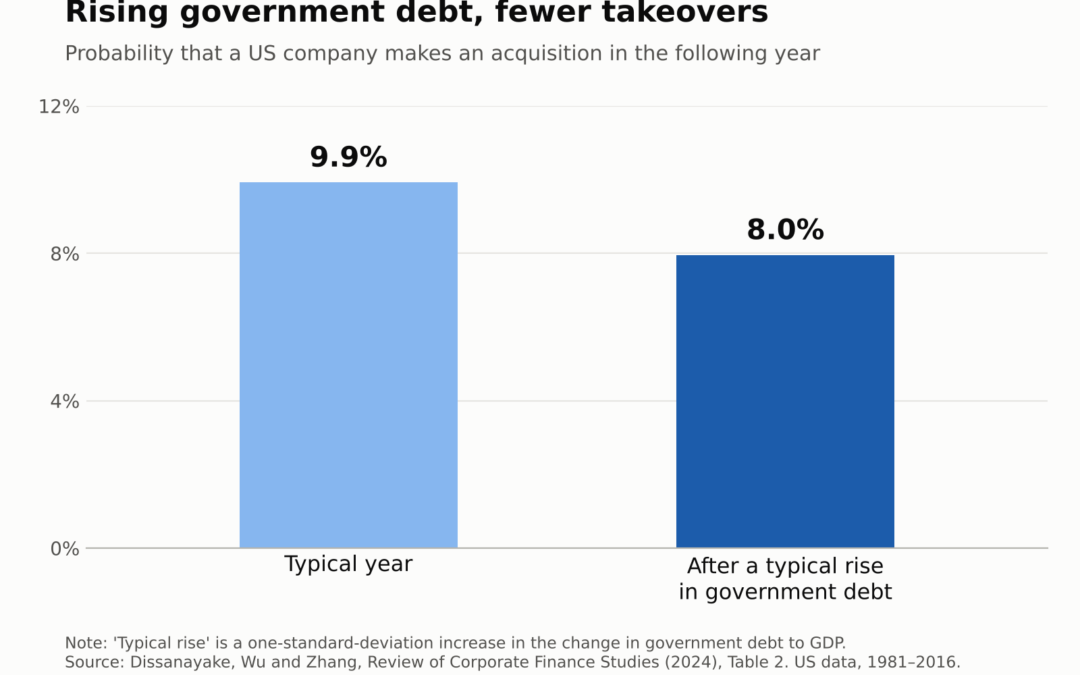
Rising government debt doesn't just affect taxpayers. It can reduce the number of takeovers, discourage corporate investment and weigh on the returns of the very blue-chip companies many investors own.
Investors watch the Reserve Bank closely, and with good reason. Last month it lifted the cash rate for the fourth time this year, to 4.6%. Canberra ...
When people describe the reason for share price moves or shifts in bond yields, it is almost always in fundamental terms. As if every time a new piece of market-relevant information is released, investors are hurriedly updating their valuation models. This gives a pleasing sense of order to the fluctuations of financial markets, but is a poor ...
One of the less glamorous aspects of working in financial services is the sheer volume of emails you receive. Most promise market insights 'too important to ignore', which is generally a reliable sign they can be ignored immediately.
I also have a habit of opening ones I probably shouldn't. Outside of phishing attempts and the occasional Nigerian ...
Planning is bringing the future into the present so that you can do something about it.- Alan Lakein
The 2026 Epic Retirement Tick rated industry and retail super funds against a set of twenty criteria designed to measure how well they supported their members in retirement.
I’m supportive of any effort that helps Australians improve their retirement ...
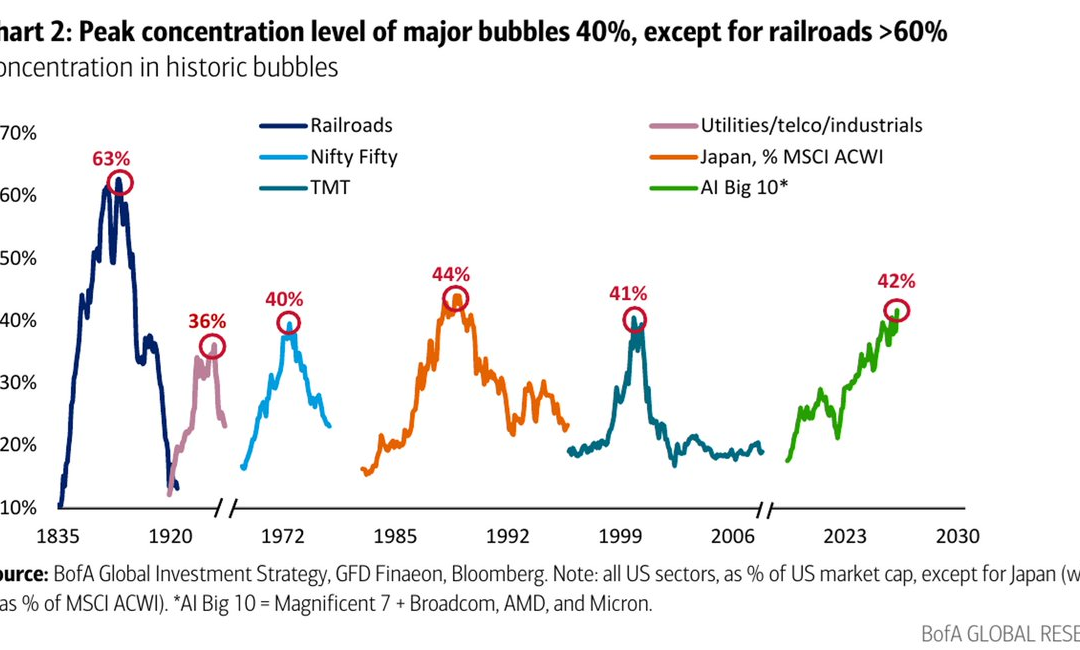
The US market is extremely concentrated, and the bears say 2026 could be 1999 all over again. As in the dot-com boom, a new technology promises to change everything and capital spending is enormous. The Magnificent 7 plus Broadcom, AMD and Micron, the ‘AI Big 10’, now account for 42% of US stock market value. At the height of the dot-com bubble in ...
Discretionary trusts have long been a cornerstone of wealth planning. Proposed tax changes may require a rethink, but not necessarily a rebuild.
If your family uses a discretionary trust and a bucket company, the post-Budget headlines have been difficult to ignore: "30% minimum tax", "double taxation", and warnings of effective rates above the top ...
One of the challenges with investor surveys is separating what respondents say from what they actually do.
The State of the Australian Investor study attempts to test the gap between intention and reality by combining survey responses with portfolio and transaction data from almost 100,000 investors.
The stereotype of the typical retail investor can be ...
In September I wrote that testamentary trusts, the trusts created under a will after death, had survived the Government's new 30% minimum tax on discretionary trusts, but that the drafting battle had just begun. The exposure draft pointed one way and its Explanatory Memorandum pointed another. The question was whether the exemption turned on who ...
Stay committed to your decisions, but stay flexible in your approach.- Tony Robbins
Last week I proposed a scorecard for retirement where readers could self-assess their retirement prospects using four criteria:
Understanding the maths of retirement
Knowing how much you will spend
Estimating how much you need to support annual spending
Defining an ...
Glencore's arrival on the ASX gives Australian investors a new choice. Should they stick with BHP and Rio Tinto, or allocate some capital to Glencore (GLC)?
BHP and Rio offer franked dividends, stronger governance credentials and established places in Australian portfolios. Glencore is cheaper, has a trading arm and ambitious copper growth potential. ...
The new CGT regime announced in the May 2026 Federal budget now sees capital losses treated differently to capital gains in two important ways.
Gains are taxed, but losses cannot be deducted against other income. Instead, capital losses can only offset capital gains, otherwise they are quarantined to offset against future gains. This has always been a ...
“I’m from the government, and I’m here to help you.”
These are the most terrifying words in the English language, according to former US President Ronald Reagan. And you can see why as Australians grapple with changes to credit card surcharges. The incoming ban was supposed to save consumers $1.56 billion, but businesses such as restaurants and coffee ...
Rising government debt doesn't just affect taxpayers. It can reduce the number of takeovers, discourage corporate investment and weigh on the returns of the very blue-chip companies many investors own.
Investors watch the Reserve Bank closely, and with good reason. Last month it lifted the cash rate for the fourth time this year, to 4.6%. Canberra ...
When people describe the reason for share price moves or shifts in bond yields, it is almost always in fundamental terms. As if every time a new piece of market-relevant information is released, investors are hurriedly updating their valuation models. This gives a pleasing sense of order to the fluctuations of financial markets, but is a poor ...
One of the less glamorous aspects of working in financial services is the sheer volume of emails you receive. Most promise market insights 'too important to ignore', which is generally a reliable sign they can be ignored immediately.
I also have a habit of opening ones I probably shouldn't. Outside of phishing attempts and the occasional Nigerian ...
Planning is bringing the future into the present so that you can do something about it.- Alan Lakein
The 2026 Epic Retirement Tick rated industry and retail super funds against a set of twenty criteria designed to measure how well they supported their members in retirement.
I’m supportive of any effort that helps Australians improve their retirement ...
The US market is extremely concentrated, and the bears say 2026 could be 1999 all over again. As in the dot-com boom, a new technology promises to change everything and capital spending is enormous. The Magnificent 7 plus Broadcom, AMD and Micron, the ‘AI Big 10’, now account for 42% of US stock market value. At the height of the dot-com bubble in ...
Discretionary trusts have long been a cornerstone of wealth planning. Proposed tax changes may require a rethink, but not necessarily a rebuild.
If your family uses a discretionary trust and a bucket company, the post-Budget headlines have been difficult to ignore: "30% minimum tax", "double taxation", and warnings of effective rates above the top ...