Aaron Sorkin’s The Social Reckoning hovers uneasily between warning and reassurance as he returns to the organisation at the centre of The Social Network, the Facebook-origin story he wrote and David Fincher directed in 2010. Fincher’s film, aided by Jesse Eisenberg’s performance as Facebook founder Mark Zuckerberg, was a heady
On the fiftieth anniversary last year of the Whitlam government’s dismissal, neither of the main characters had much evolved in the popular consciousness. Gough Whitlam was revered, at least on the left, as a progressive warrior and constitutional martyr. In a major speech marking the anniversary, prime minister Anthony Albanese
In everyday life, “great” does not have to be all that great. A friend confirms a time and place for coffee. “Great!,” we reply. “See you there.” A motor vehicle has been serviced and is ready for collection. “Great, I’ll be over in an hour.” In sport, there may be
For the modern reader, the suggestion that a special sympathy exists between Catholic religious teaching and Labor’s values and outlook might seem implausible, observes Irish Studies professor Jeff Kildea. His impressive new book, Iron Law No More, deals with the era — much of the twentieth century, in fact —
When the framers of the US constitution set out to codify American rights and freedoms they put “the press” in the first rank, where it has not only remained but become a global benchmark for how well societies serve and protect citizens. An existential crisis for an institution of that
With just four weeks to go until the US midterm elections a “blue wave” — or what Australians would call a Democratic landslide — seems likely. The Democrats are eight points ahead in national polls and have a lead in key Senate races like Texas and Ohio. Some real long-shots
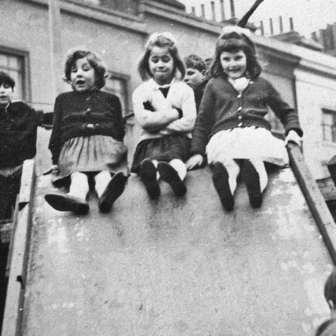
In Magnum Streetwise, Stephen McLaren distils and celebrates what many would regard as the most significant movement in postwar documentary photography. He brings together examples of the work of Magnum Photos, a self-governing collective of men and women best known for recording the mid-century urban landscape, whether they were capturing
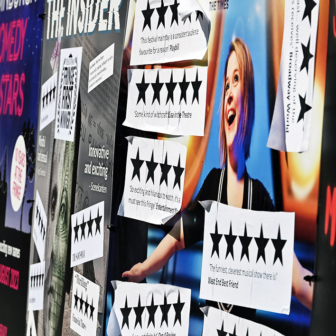
Rate this Book is a lively read, and an important one, the punch coming in its subtitle: How star ratings took over the world. The stars are a language of evaluation we can all understand. Indeed, public assessment has gone hand-in-hand with the growth of modern consumerism. The world has
“Victoria November 2026: an election of dread” When Victorians head to the polls on the last Saturday of next month, all the indications are that they will usher in that relatively rare thing — a change of state government. The twelve-year-old Labor administration, led by the recently installed Ben
In the early 1960s, contentious talk about the injustices of the British class system was part of the stock-in-trade of Manchester pubs. Most of the talk was washed away by pints of Watney’s Red Barrel but occasionally something sparked, as when Granada Television producer Tim Hewat, after denouncing a social
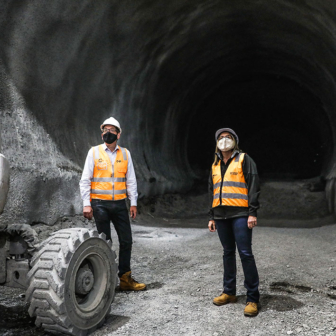
Waging a “permanent contest” with China in the South Pacific, Australia is building new alliances and a new security system. Treaties signed with Island states are driven by fear and shock in Canberra, yet also by a sense of responsibility — plus a determination to be the top regional power.
Do political speeches matter anymore? Politicians love to give them, and journalists to report them. To be deemed worthy of proper attention a political announcement must come with a suitably intellectual analysis of the social or economic problem it is designed to tackle, dressed in high-flown rhetoric about political ideas
Aaron Sorkin’s The Social Reckoning hovers uneasily between warning and reassurance as he returns to the organisation at the centre of The Social Network, the Facebook-origin story he wrote and David Fincher directed in 2010. Fincher’s film, aided by Jesse Eisenberg’s performance as Facebook founder Mark Zuckerberg, was a heady
On the fiftieth anniversary last year of the Whitlam government’s dismissal, neither of the main characters had much evolved in the popular consciousness. Gough Whitlam was revered, at least on the left, as a progressive warrior and constitutional martyr. In a major speech marking the anniversary, prime minister Anthony Albanese
In everyday life, “great” does not have to be all that great. A friend confirms a time and place for coffee. “Great!,” we reply. “See you there.” A motor vehicle has been serviced and is ready for collection. “Great, I’ll be over in an hour.” In sport, there may be
For the modern reader, the suggestion that a special sympathy exists between Catholic religious teaching and Labor’s values and outlook might seem implausible, observes Irish Studies professor Jeff Kildea. His impressive new book, Iron Law No More, deals with the era — much of the twentieth century, in fact —
When the framers of the US constitution set out to codify American rights and freedoms they put “the press” in the first rank, where it has not only remained but become a global benchmark for how well societies serve and protect citizens. An existential crisis for an institution of that
With just four weeks to go until the US midterm elections a “blue wave” — or what Australians would call a Democratic landslide — seems likely. The Democrats are eight points ahead in national polls and have a lead in key Senate races like Texas and Ohio. Some real long-shots
In Magnum Streetwise, Stephen McLaren distils and celebrates what many would regard as the most significant movement in postwar documentary photography. He brings together examples of the work of Magnum Photos, a self-governing collective of men and women best known for recording the mid-century urban landscape, whether they were capturing
Rate this Book is a lively read, and an important one, the punch coming in its subtitle: How star ratings took over the world. The stars are a language of evaluation we can all understand. Indeed, public assessment has gone hand-in-hand with the growth of modern consumerism. The world has
“Victoria November 2026: an election of dread” When Victorians head to the polls on the last Saturday of next month, all the indications are that they will usher in that relatively rare thing — a change of state government. The twelve-year-old Labor administration, led by the recently installed Ben
In the early 1960s, contentious talk about the injustices of the British class system was part of the stock-in-trade of Manchester pubs. Most of the talk was washed away by pints of Watney’s Red Barrel but occasionally something sparked, as when Granada Television producer Tim Hewat, after denouncing a social
Waging a “permanent contest” with China in the South Pacific, Australia is building new alliances and a new security system. Treaties signed with Island states are driven by fear and shock in Canberra, yet also by a sense of responsibility — plus a determination to be the top regional power.
Do political speeches matter anymore? Politicians love to give them, and journalists to report them. To be deemed worthy of proper attention a political announcement must come with a suitably intellectual analysis of the social or economic problem it is designed to tackle, dressed in high-flown rhetoric about political ideas